
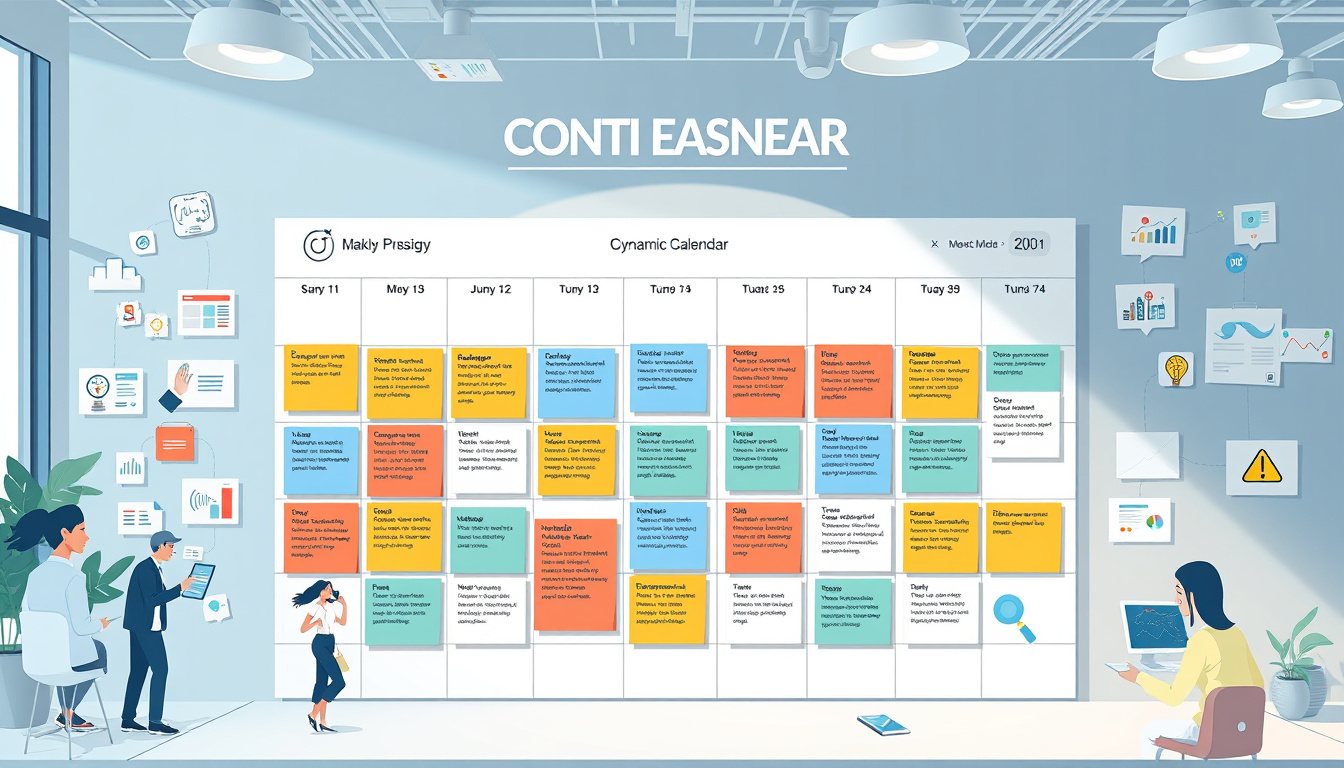
Are you struggling to keep your marketing efforts organized and efficient? A marketing content calendar could be the solution to your challenges. In this article, we’ll explore what a marketing content calendar is, its benefits, and how to create an effective one. We’ll also share tools that can simplify your content management and provide best practices to help you maintain your calendar. Additionally, we’ll look at inspiring case studies of businesses that have successfully utilized content calendars to boost their marketing success. Let’s dive in and discover how a well-structured marketing content calendar can elevate your business!
Key Takeaways
- A marketing content calendar is a strategic tool that helps organize and schedule content effectively.
- Using a marketing content calendar can enhance collaboration, streamline processes, and improve content quality.
- Creating an effective marketing content calendar involves defining goals, aligning with audience needs, and setting deadlines.
- Various tools and software options are available to help businesses manage and optimize their content calendars efficiently.
- Successful case studies demonstrate how businesses have achieved remarkable growth by implementing a marketing content calendar.
What is a Marketing Content Calendar?
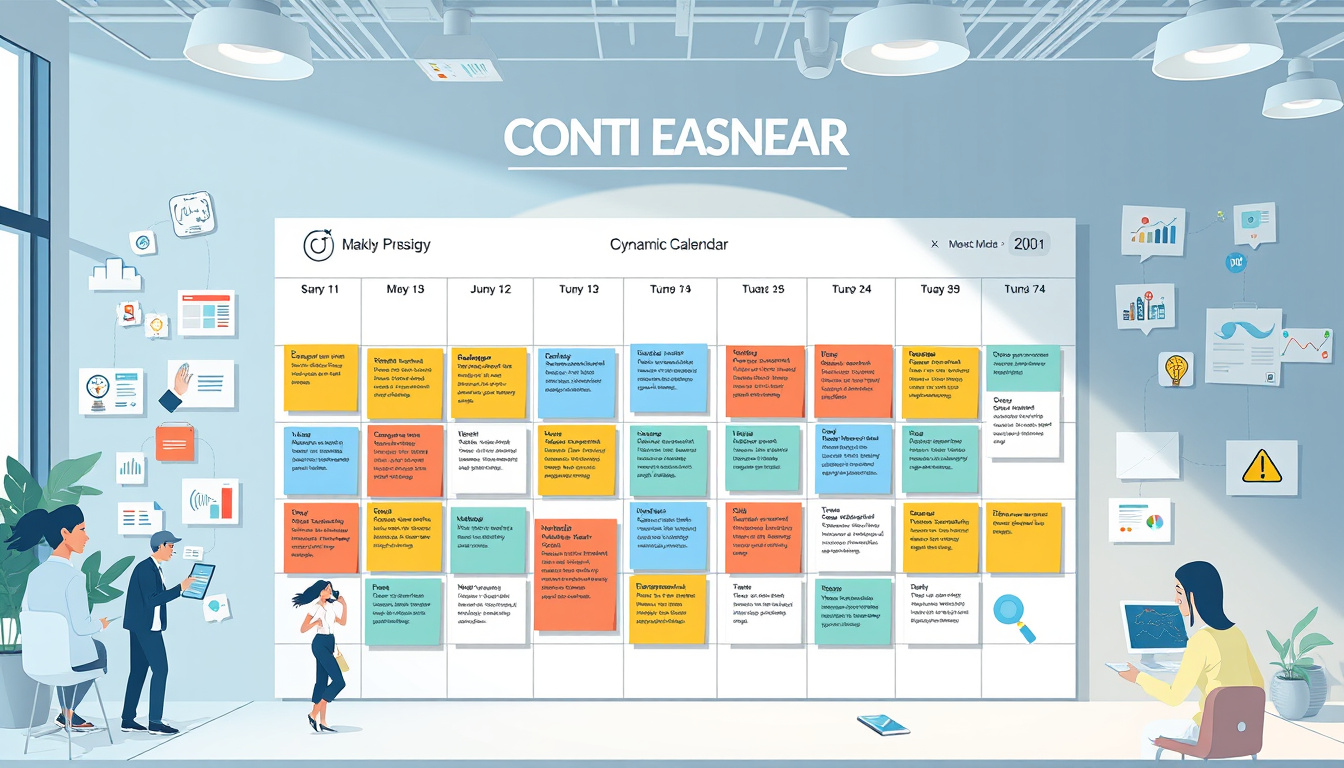
A marketing content calendar is a strategic tool used by businesses and marketing teams to plan, schedule, and manage their content marketing efforts. It serves as a roadmap that outlines what content will be created and published, when it will be released, and on which platforms it will appear. Typically, a marketing content calendar includes details such as content topics, formats (like blog posts, videos, or social media updates), responsible team members, and deadlines. By organizing these elements in advance, businesses can ensure consistency in their messaging, streamline their workflow, and effectively align their content with marketing campaigns and audience engagement strategies.
Benefits of Using a Marketing Content Calendar
A marketing content calendar is an essential tool for any business looking to streamline its marketing efforts and maximize engagement. By effectively planning your content in advance, you can ensure consistency in your messaging, which helps to build brand recognition and loyalty among your audience. One of the primary benefits of using a marketing content calendar is improved organization; it allows you to visualize your content strategy across various platforms, ensuring that you cover all necessary topics at the right times. Additionally, this strategic planning enables better collaboration among team members, as everyone stays informed about upcoming posts and campaigns. Moreover, by mapping out your content, you can easily identify gaps and opportunities, ensuring that all aspects of your marketing strategy are covered and aligned with your business goals. Ultimately, using a marketing content calendar enhances efficiency, optimizes planning, and contributes to more effective marketing outcomes.
‘Marketing is no longer about the stuff that you make, but about the stories you tell.’ – Seth Godin

How to Create an Effective Marketing Content Calendar
Creating a marketing content calendar is a crucial step for businesses wanting to streamline their content strategy. A well-structured content calendar helps you plan, organize, and schedule your marketing activities efficiently. To begin, start by mapping out your main goals: are you focusing on boosting sales, increasing brand awareness, or engaging with your audience? Once you identify your objectives, decide on the type of content you’ll produce, whether it’s blog posts, social media updates, newsletters, or videos. Next, choose a format that fits your needs, like a spreadsheet or project management tool, allowing room for deadlines, team assignments, and topics. As you populate your calendar, ensure you consider significant dates, seasonal trends, and industry events that can align with your content. This foresight not only helps in maintaining consistency but also makes your content more relevant to your audience. Finally, regularly review and update the calendar based on performance metrics and feedback to ensure your marketing efforts remain effective and aligned with your overall strategy.
Tools and Software for Managing Your Content Calendar
When it comes to building a successful marketing content calendar, having the right tools and software can make all the difference. A marketing content calendar helps you strategically plan, organize, and manage your content creation and publication process. Here are some top tools that can streamline this process:
1. Trello – This flexible project management tool allows you to create boards for your marketing content calendar, where you can visualize your process, deadlines, and team responsibilities.
2. Asana – Asana offers various features for tracking tasks, projects, and deadlines, making it suitable for teams that need to collaborate on content planning and execution.
3. CoSchedule – Specifically designed for marketing teams, CoSchedule offers an integrated marketing calendar that can help you manage all your content from one place, ensuring that you’re aligned across different platforms.
4. Google Calendar – A straightforward option, Google Calendar is great for maintaining timelines and setting reminders for content due dates. You can easily share your calendar with your team.
5. Airtable – This powerful tool combines the features of a spreadsheet with a database, allowing you to create a highly customized content calendar that suits your specific needs and workflow.
Choosing the right tool depends on your team’s size, workflows, and specific needs. It’s essential to pick software that enhances collaboration and keeps your content consistent and timely.

Best Practices for Maintaining Your Marketing Content Calendar
To effectively maintain your marketing content calendar, start by setting clear goals aligned with your overall marketing strategy. Identify key themes and topics relevant to your audience, ensuring that your calendar is populated with varied content types such as blogs, social media posts, and email campaigns. Make it a habit to review and update your calendar regularly, accommodating any new insights or industry trends. Collaborate with your team by encouraging input during the planning stages to foster creativity and ensure everyone is aligned. Utilize project management tools to keep track of deadlines and tasks, making it easy to assign responsibilities. Finally, measure the performance of your content regularly to adjust your strategy based on what resonates most with your audience. By following these best practices, you can create a dynamic and effective marketing content calendar that drives engagement and results.
Case Studies: Success Stories of Businesses Using Content Calendars
Case Studies: Success Stories of Businesses Using Marketing Content Calendars
Creating a marketing content calendar has transformed the marketing strategies of various businesses across industries. For instance, a local bakery managed to double its online engagement by implementing a three-month content calendar. They scheduled posts around seasonal products, creating buzz before each holiday, which resulted in a 40% increase in foot traffic during peak periods. In another example, a small e-commerce shop specializing in eco-friendly products utilized a marketing content calendar to align its promotional efforts with worldwide environment-related days. This strategic planning not only improved their social media reach but also led to a significant uptick in sales during designated campaigns.
These examples clearly illustrate how effectively planned content calendars can streamline marketing efforts and boost both engagement and revenue by ensuring timely and relevant content is shared with the target audience.
Frequently Asked Questions
What is a marketing content calendar?
A marketing content calendar is a strategic tool that organizes and schedules all marketing content and campaigns over a specific period, helping businesses plan, execute, and track their marketing efforts.
What are the benefits of using a marketing content calendar?
Using a marketing content calendar increases organization, enhances productivity, ensures consistent messaging, allows for better content planning, and helps in tracking campaign performance and deadlines.
How can I create an effective marketing content calendar?
To create an effective marketing content calendar, start by determining your goals, brainstorming content ideas, and then mapping out a timeline for each piece of content while incorporating key dates and events relevant to your business.
What tools and software can I use to manage my content calendar?
Some popular tools for managing a marketing content calendar include Trello, Asana, Google Calendar, and specialized software like CoSchedule and HubSpot, which offer features designed for content planning and management.
What are some best practices for maintaining a marketing content calendar?
Best practices include regularly reviewing and updating the calendar, ensuring collaboration among team members, being flexible to accommodate last-minute changes, and analyzing performance data to refine future content strategies.