

The manufacturing industry is evolving rapidly, and traditional marketing strategies no longer deliver the results they once did. Businesses that want to stay competitive must adopt B2B marketing for manufacturers strategies that leverage digital channels, data, and innovative tools.
Digital transformation has reshaped how manufacturers reach clients, generate leads, and build long-term relationships. This guide explores B2B marketing for manufacturers, highlighting the latest trends, strategies, and tools to maximize efficiency and ROI in 2026 and beyond.
Why B2B Marketing for Manufacturers Is Critical
Manufacturers often target other businesses rather than consumers, making B2B marketing for manufacturers fundamentally different from B2C marketing. Sales cycles are longer, deals are larger, and decision-making involves multiple stakeholders.
Key reasons why B2B marketing for manufacturers is essential:
- Builds brand authority in a competitive industry
- Generates qualified leads for long-term contracts
- Streamlines communication with potential clients
- Leverages data to make informed business decisions
Manufacturers that ignore digital channels risk losing market share to competitors embracing B2B marketing for manufacturers trends.
Key Trends in Digital B2B Marketing for Manufacturers
Understanding the latest trends is crucial to building effective strategies. Here are the top trends shaping B2B marketing for manufacturers today:
1. Content Marketing for Industry Authority
Content marketing remains one of the most effective aspects of B2B marketing for manufacturers. Educational content, such as whitepapers, case studies, and how-to guides, positions a company as an industry leader.
Benefits of content marketing include:
- Attracting decision-makers in target industries
- Demonstrating product expertise and innovation
- Supporting SEO to drive organic traffic
2. Account-Based Marketing (ABM)
ABM focuses on targeting specific high-value accounts instead of casting a wide net. This trend is rapidly growing in B2B marketing for manufacturers, where contracts are often multi-million dollar deals.
ABM strategies include:
- Personalized campaigns for target accounts
- Tailored emails and LinkedIn outreach
- Customized content for each stage of the buyer’s journey
ABM increases conversion rates and ensures resources are allocated efficiently.
3. Data-Driven Decision Making
The use of data analytics in B2B marketing for manufacturers is essential. Companies analyse client behaviour, engagement metrics, and sales data to refine strategies.
Applications include:
- Predicting which prospects are most likely to convert
- Optimizing campaigns based on performance metrics
- Personalizing outreach to maximize engagement
Data-driven marketing helps manufacturers make smarter, faster decisions.
4. Social Media for Lead Generation
Social media platforms like LinkedIn, YouTube, and even Instagram play a larger role in B2B marketing for manufacturers. LinkedIn, in particular, is critical for connecting with procurement managers, engineers, and decision-makers.
Effective strategies include:
- Sharing case studies, product demos, and company news
- Running targeted LinkedIn ads for niche audiences
- Engaging in industry-specific groups
Social media enables brands to reach clients where they spend time online.
5. Marketing Automation
Marketing automation is transforming B2B marketing for manufacturers by saving time and improving lead management. Automation tools allow businesses to:
- Schedule emails and follow-ups
- Track prospect behaviour automatically
- Score leads based on engagement
Automated workflows ensure that no potential client is overlooked while improving team efficiency.
6. Video Marketing
Video content is a growing trend in B2B marketing for manufacturers. Product demos, facility tours, and client testimonials showcase capabilities more effectively than text alone.
Advantages of video marketing:
- Engages audiences quickly
- Improves brand credibility and trust
- Increases conversions by visually demonstrating value
Top Tools for B2B Marketing for Manufacturers
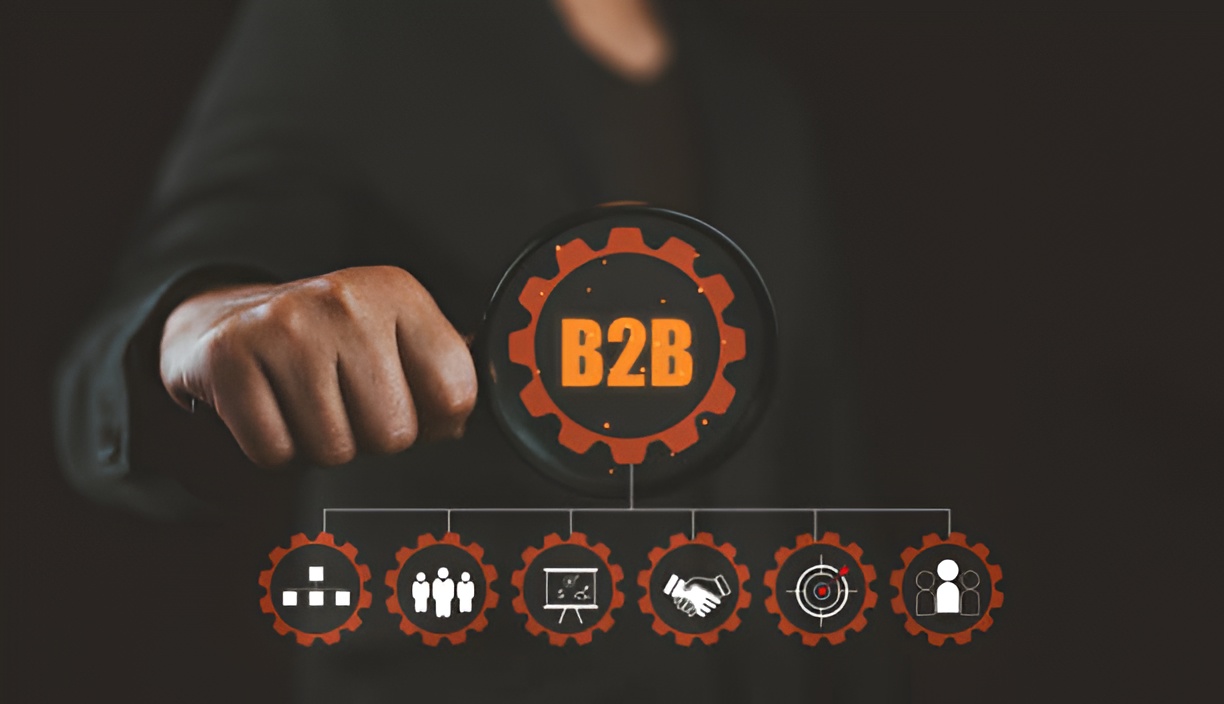
Implementing B2B marketing for manufacturers strategies requires the right digital tools. Here’s a breakdown of some of the most effective options:
CRM Systems
Customer Relationship Management (CRM) systems like Salesforce, HubSpot, or Zoho centralize customer data and track interactions. CRMs help manufacturers:
- Manage leads and accounts
- Automate communications
- Measure campaign effectiveness
Marketing Automation Tools
Tools like Marketo, Pardot, or ActiveCampaign enable manufacturers to automate repetitive marketing tasks, ensuring consistent follow-ups and personalized campaigns.
Analytics Platforms
Google Analytics, Tableau, and Power BI help track engagement, measure ROI, and make data-driven decisions. Analytics platforms are indispensable in modern B2B marketing for manufacturers.
Social Media Management Tools
Tools such as Hootsuite, Buffer, and Sprout Social simplify scheduling, monitoring, and analysing social media campaigns. These tools help manufacturers maintain a strong digital presence efficiently.
Content Management Systems (CMS)
Platforms like WordPress, HubSpot CMS, and Joomla make it easy to create, manage, and optimize content that supports SEO and lead generation strategies.
Best Practices for Digital B2B Marketing for Manufacturers
To maximize results, manufacturers should follow these best practices in B2B marketing for manufacturers:
- Understand Your Target Audience: Know who the decision-makers are, what challenges they face, and how your solutions help them.
- Focus on Quality Content: Prioritize informative, engaging, and valuable content that establishes authority.
- Leverage Multiple Channels: Combine email, social media, SEO, PPC, and events to reach prospects across platforms.
- Track Performance Metrics: Continuously analyse campaigns to optimize messaging and ROI.
- Personalize Marketing Efforts: Use data and automation to deliver tailored messages for each client or account.
Following these practices ensures your B2B marketing for manufacturers efforts are strategic and effective.
Challenges in B2B Marketing for Manufacturers
While digital marketing offers many opportunities, manufacturers face unique challenges:
- Long sales cycles
- Complex decision-making processes
- Highly technical products that require detailed explanations
- Limited marketing budgets
Understanding these challenges allows marketers to adapt strategies and focus on high-impact tactics in B2B marketing for manufacturers.
Future of B2B Marketing for Manufacturers
Looking ahead, B2B marketing for manufacturers will continue evolving with technology and client expectations. Key future trends include:
- AI-driven lead scoring and personalization
- Virtual trade shows and immersive online demos
- Predictive analytics to forecast market needs
- Enhanced integration of digital and offline marketing strategies
Manufacturers that adopt these innovations early will have a competitive edge in 2026 and beyond.
Final Thoughts
Digital marketing is no longer optional for manufacturers. Effective B2B marketing for manufacturers strategies leverage content, social media, automation, and analytics to build relationships, generate leads, and drive sales.
By staying updated with B2B marketing for manufacturers trends and tools, businesses can optimize campaigns, reach the right audience, and maintain a strong presence in a competitive market. The key is to implement digital strategies thoughtfully, measure results, and adapt continuously.
Embracing these trends ensures that B2B marketing for manufacturers remains effective, scalable, and aligned with the needs of modern buyers.