
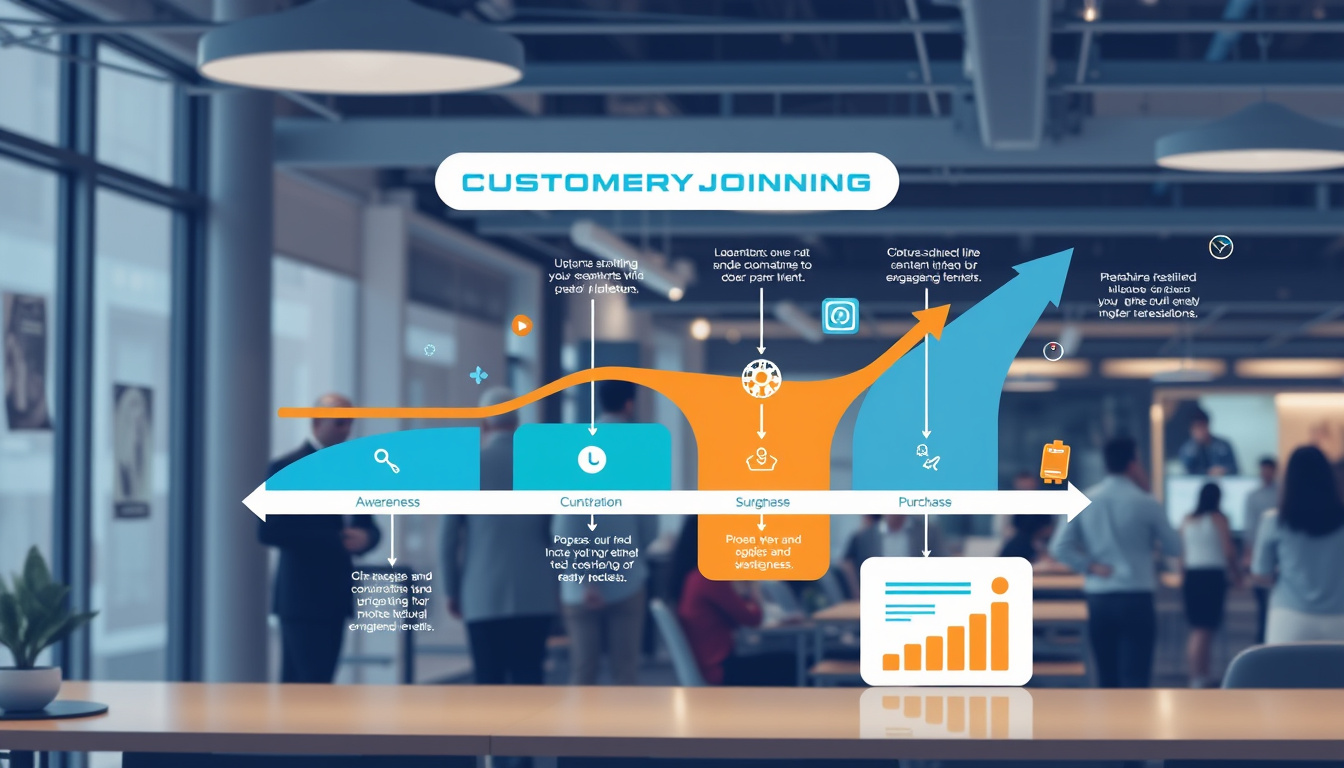
Customer journey mapping is an essential strategy that helps businesses understand and enhance the experience of their customers. In a market flooded with choices, knowing how customers interact with your brand—from first discovery through to post-purchase—is crucial. This article delves into customer journey mapping, guiding you through the phases of the customer journey, the tools and techniques that can help you create an effective map, and how to turn customer insights into actionable changes for your business. By the end of this guide, you’ll see how proper mapping can transform the way you engage with customers and drive growth.

Key Takeaways
- Customer journey mapping is essential for understanding the complete experience your customers have with your brand.
- Identifying and analyzing the different stages of the customer journey allows businesses to tailor their marketing strategies effectively.
- Utilizing tools and techniques in customer journey mapping can enhance the accuracy and depth of your analysis.
- Implementing changes based on insights from the customer journey map can significantly improve customer satisfaction and engagement.
- Regularly measuring the success of your customer journey mapping efforts is vital for ongoing improvement and business growth.
Introduction to Customer Journey Mapping
Customer journey mapping is a crucial technique used by marketers to understand and visualize the experience a customer undergoes when interacting with a brand or product. This method involves creating a detailed representation of each stage a customer goes through, from the initial awareness of a brand to post-purchase evaluation. By mapping out these various touchpoints, businesses can gain insights into customer behavior, identifying pain points, and moments of delight throughout the journey. Understanding customer journey mapping not only helps in refining marketing strategies but also enhances overall customer experience, making it essential for businesses aiming to thrive in today’s competitive digital landscape.
Understanding the Stages of the Customer Journey
Understanding the stages of the customer journey is crucial for businesses aiming to align their strategies with customers’ needs and behaviors. Customer journey mapping involves visualizing each touchpoint a customer interacts with, from initial awareness to post-purchase evaluation. This process not only identifies the various stages such as awareness, consideration, decision, and loyalty but also highlights customer emotions and experiences at each stage. By comprehensively mapping the customer journey, businesses can pinpoint pain points and opportunities for improvement, ultimately leading to enhanced customer satisfaction and increased retention. This strategic approach allows marketers to tailor their efforts, ensuring they engage customers effectively throughout their journey.
‘The customer journey is the path that every potential customer takes to become a customer. Mapping that journey is the first step to understanding their needs and providing a successful experience.’ – Unknown

Tools and Techniques for Effective Mapping
Customer journey mapping is a crucial process that helps businesses understand the interactions customers have with their brand across various touchpoints. To effectively create and utilize a customer journey map, several tools and techniques can be employed. First, visual mapping tools like Lucidchart and Miro allow you to create detailed, collaborative maps that reflect your customers’ experiences. Additionally, software such as Smaply or Microsoft Visio provides templates and resources to streamline the mapping process. Beyond software, methods like customer interviews and surveys can gather valuable insights into customer pain points and expectations at each stage of their journey. Social media listening tools also play a significant role by capturing real-time feedback and sentiments about your brand. Utilizing these tools and techniques not only aids in creating robust customer journey maps but also helps businesses address gaps in the customer experience, thereby enhancing overall satisfaction and loyalty.
Analyzing Customer Insights and Behaviors
Customer journey mapping is a powerful tool that focuses on understanding the various stages and touchpoints customers encounter from their initial awareness of a product to the final purchase and beyond. This process involves analyzing customer insights and behaviors to create a visual representation of their experiences, reflecting their needs, emotions, and pain points at each stage. By engaging in customer journey mapping, businesses can identify opportunities for improvement, tailor marketing strategies, and enhance customer satisfaction. It plays a crucial role in modern digital marketing, as it informs campaign design, enhances personalization efforts, and helps in aligning marketing initiatives with actual customer needs. By closely examining insights and behaviors throughout the customer journey, companies can develop a deeper understanding of their audience, fostering loyalty and long-term relationships.

Implementing Changes Based on the Journey Map
Implementing changes based on the customer journey mapping process is essential for any business aiming to enhance customer experience. By first creating a detailed visual representation of all interactions a customer has with your brand, you can identify key pain points and preferences. This understanding allows you to streamline processes, improve touchpoints, and tailor your marketing strategies more effectively. For instance, if your journey map reveals that customers often abandon their carts during the checkout process due to complicated steps, you can simplify this workflow. Emphasizing user-friendly designs and minimizing friction points ensures a smoother transition from interest to purchase. Regularly revisiting and refining the journey map as customer behavior and expectations evolve also aids in making informed, data-driven decisions that resonate with your audience.
Measuring the Success of Your Customer Journey Mapping Efforts
Measuring the success of your customer journey mapping efforts is crucial for understanding its impact on your business. To effectively evaluate your mapping initiatives, start by establishing clear objectives aligned with your overall marketing and customer experience goals. Use metrics such as customer satisfaction scores (CSAT), Net Promoter Score (NPS), and customer retention rates to gauge success. Additionally, track user engagement on various touchpoints identified in your journey map, and use tools such as Google Analytics to analyze behavioral patterns. Collect qualitative feedback through surveys or interviews to gain insights into customer perceptions and their journey experience. Remember, it’s not just about the metrics, but about how those metrics translate into improved customer experiences and ultimately drive business growth.
Frequently Asked Questions
What is customer journey mapping?
Customer journey mapping is the process of visualizing and analyzing the steps a customer takes when interacting with a business. It helps identify customer needs, pain points, and opportunities to enhance the overall customer experience.
What are the key stages of the customer journey?
The key stages of the customer journey typically include awareness, consideration, purchase, retention, and advocacy. Each stage highlights different customer interactions and expectations.
What tools can be used for customer journey mapping?
Several tools can aid in customer journey mapping, including software like Lucidchart, Smaply, and Miro. Additionally, spreadsheet tools and customer feedback platforms can help gather and analyze data.
How can businesses implement changes based on their journey maps?
Businesses can implement changes by identifying pain points revealed in the journey map, developing strategies to enhance customer interactions, and ensuring that staff are trained to deliver a better experience.
How do you measure the success of customer journey mapping initiatives?
Success can be measured using key performance indicators (KPIs) such as customer satisfaction (CSAT), net promoter score (NPS), conversion rates, and customer retention rates, both before and after implementing changes.