
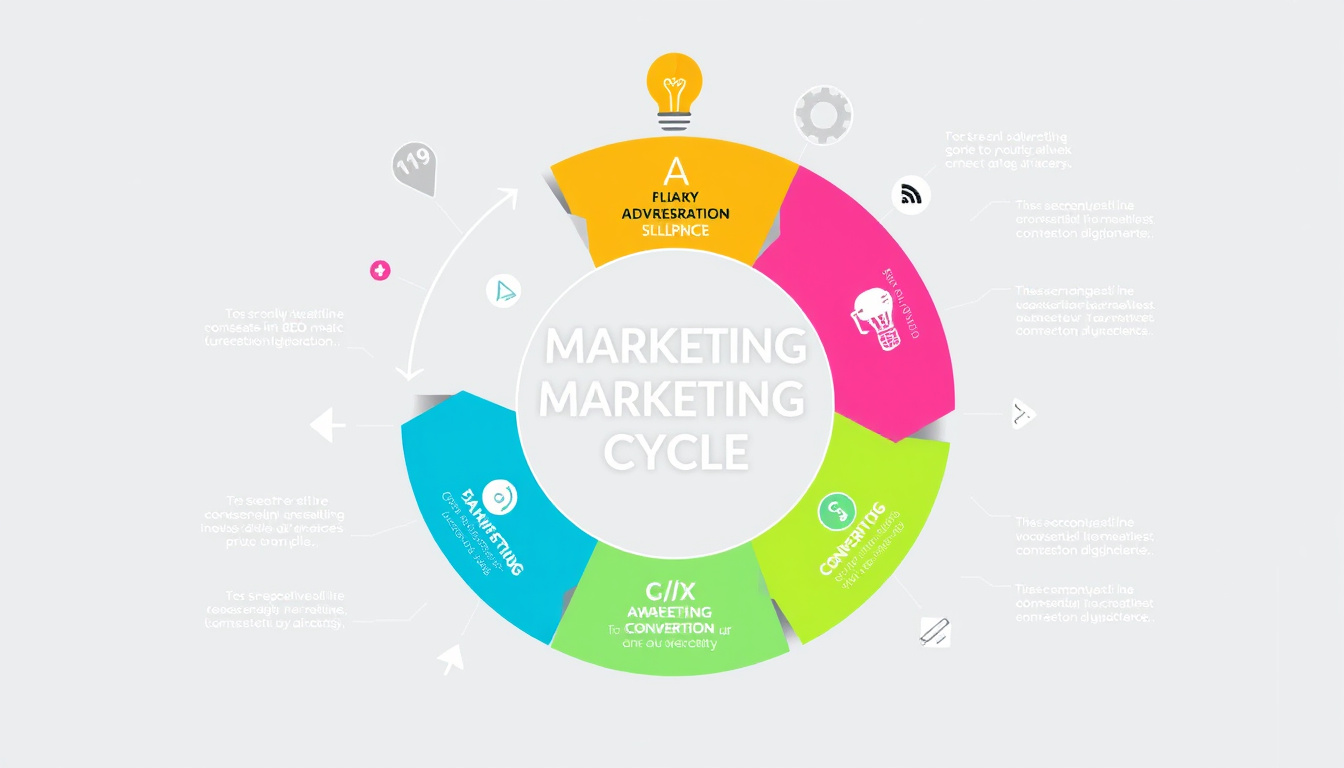
Understanding the marketing lifecycle stages is crucial for businesses looking to create effective marketing strategies that resonate with their target audience. Each stage plays a significant role in how your marketing efforts are perceived and how they influence consumer behavior. In this article, we will explore the different marketing lifecycle stages, what each stage entails, and how you can transition smoothly between them. We will also discuss common challenges businesses face during these stages and the best strategies to measure success. By leveraging the marketing lifecycle, you can enhance not only your marketing efforts but also achieve long-term success in your business.
Key Takeaways
- The marketing lifecycle consists of distinct stages that guide product development and customer engagement.
- Each stage requires tailored strategies to effectively transition and maintain customer interest.
- Measuring success at each lifecycle stage is critical for optimizing marketing efforts and improving ROI.
- Common challenges in lifecycle management include misalignment between stages and inadequate performance metrics.
- Leveraging the marketing lifecycle can enhance long-term success by fostering strong customer relationships and brand loyalty.
Introduction to Marketing Lifecycle Stages
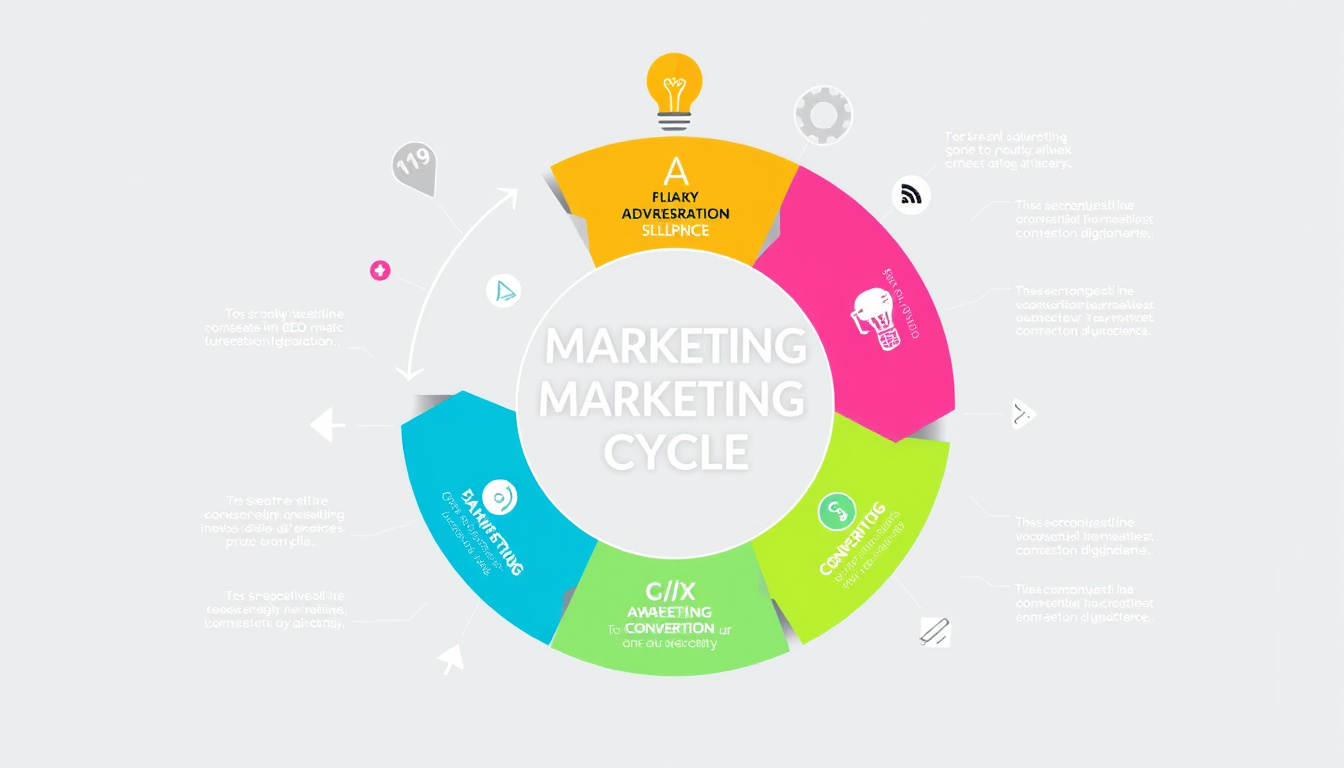
The marketing lifecycle stages provide a framework for understanding how to effectively engage with customers throughout their journey. These stages outline the process of attracting, engaging, converting, and retaining customers, ensuring that businesses can build lasting relationships and drive growth. In this article, we’ll explore the different marketing lifecycle stages, highlighting their significance in modern marketing strategies. By understanding these stages, small business owners, marketing managers, and entrepreneurs can better tailor their efforts to meet customer needs and enhance their overall marketing effectiveness.
Understanding the Different Stages of the Marketing Lifecycle
When discussing the marketing lifecycle stages, it’s essential to recognize that this framework illustrates the various phases a product or service undergoes, from its conception to its decline. Understanding these stages helps businesses identify where they stand in the market and tailor their strategies accordingly. The primary stages typically include introduction, growth, maturity, and decline. During the introduction phase, a product is launched and awareness is built. The growth stage sees increased sales and market penetration. In the maturity phase, the product has reached its peak, and strategies focus on maintaining market share. Finally, during the decline stage, sales decrease, and companies must decide whether to innovate, reposition, or discontinue the product. Recognizing these stages is crucial for small business owners, startups, and marketing managers to implement effective marketing strategies throughout a product’s life.
‘Success usually comes to those who are too busy to be looking for it.’ – Henry David Thoreau

Common Challenges in Marketing Lifecycle Management
When navigating the marketing lifecycle stages, businesses often face several common challenges that can hinder their efficiency and effectiveness. One of the primary obstacles is the lack of clear understanding of each stage, which can lead to improper strategy implementation. For instance, transitioning from awareness to consideration requires distinct messaging that many businesses struggle to articulate. Additionally, insufficient data analysis during the evaluation stage often results in missed opportunities for optimization and adjustment. Moreover, poor collaboration between teams can cause delays in executing campaigns that are meant to address customers’ evolving needs at each stage. To overcome these challenges, a well-defined process and a focus on ongoing education within the organization are essential. By recognizing and addressing these hurdles, businesses can facilitate smoother transitions through the marketing lifecycle and ultimately enhance their performance.
Conclusion: Leveraging the Marketing Lifecycle for Long-Term Success
In conclusion, effectively leveraging the marketing lifecycle stages is crucial for achieving long-term success in your business. By understanding each stage—from awareness and consideration to conversion and loyalty—you can tailor your marketing strategies to meet the evolving needs of your audience. This alignment not only enhances customer satisfaction but also drives sustained engagement and sales over time. As you adopt this framework, be mindful of the data and insights at each phase, adjusting your tactics accordingly to optimize results. Ultimately, embracing the marketing lifecycle allows you to cultivate lasting relationships with your customers, ensuring your business thrives in an ever-changing marketplace.
Frequently Asked Questions
What are the key stages of the marketing lifecycle?
The key stages of the marketing lifecycle include introduction, growth, maturity, and decline. Each stage represents different challenges and opportunities in how a product or service is marketed.
How can businesses measure success at each marketing lifecycle stage?
Businesses can measure success at each stage using various metrics such as sales revenue, customer acquisition cost, brand awareness, and customer retention rates. Tailoring these metrics to each stage provides insights into performance.
What common challenges do companies face when managing the marketing lifecycle?
Companies often face challenges such as adapting to market changes, effectively transitioning between stages, and maintaining customer engagement. Understanding these challenges is crucial for effective lifecycle management.
What strategies can help with successful transitions between marketing lifecycle stages?
Effective strategies for transitioning stages include targeted marketing campaigns, customer feedback loops, and adapting product offerings to meet evolving customer needs. Utilizing data-driven insights can enhance these strategies.
How can leveraging the marketing lifecycle contribute to long-term success?
Leveraging the marketing lifecycle allows businesses to anticipate market changes, optimize resource allocation, and enhance customer relationships, ultimately contributing to sustained long-term success.