
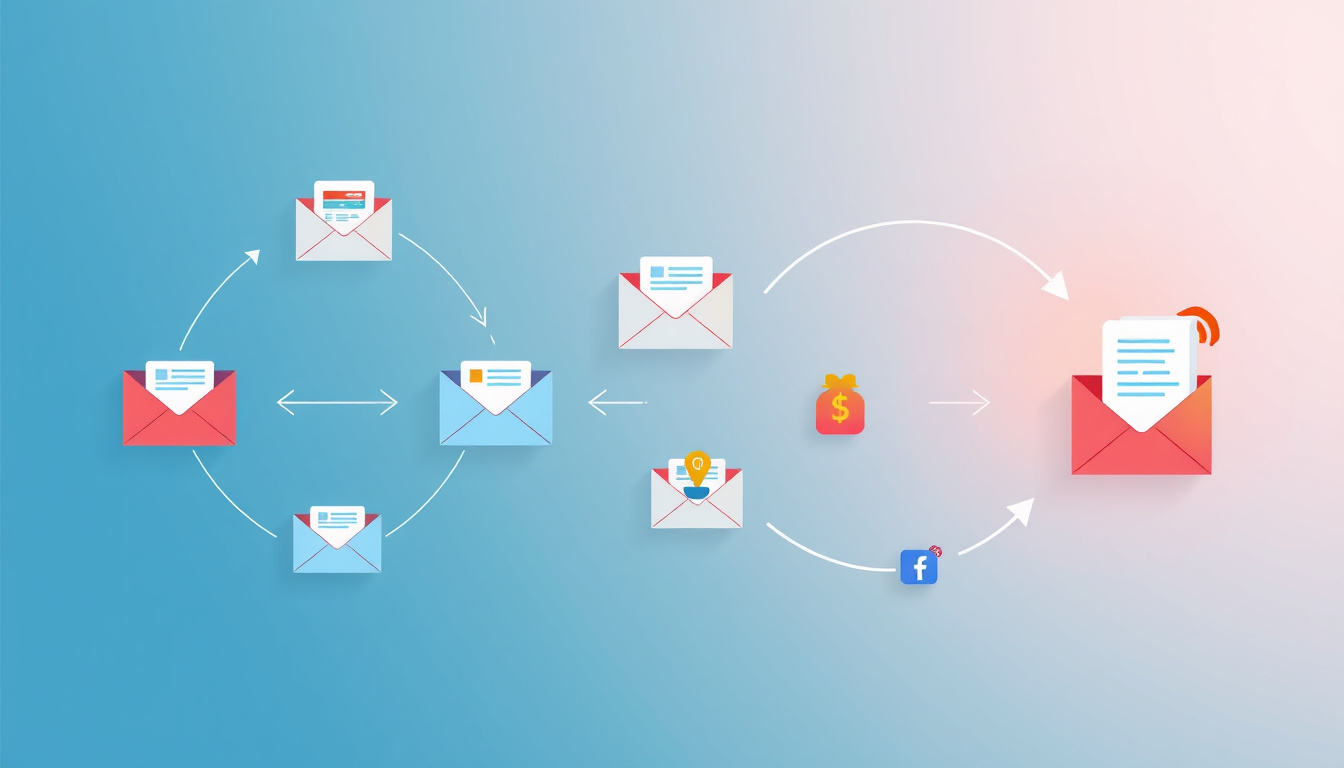
Are you looking to engage your audience and drive sales through effective email marketing? An email drip campaign strategy might be just the tool you need. This article will explore what email drip campaigns are, their benefits, and how to create and optimize your own for maximum impact. Whether you’re a small business owner or a marketing manager, understanding how to implement a successful email drip campaign can enhance your connection with your audience and significantly boost your sales. Let’s dive into the details of mastering this powerful marketing tactic!

Key Takeaways
- Email drip campaigns automate communication, nurturing leads over time.
- Implementing a well-structured email drip campaign can significantly increase customer engagement.
- Essential components include target audience segmentation, timing, and personalized content.
- Creating compelling content is crucial for maintaining user interest and driving action.
- Regularly measuring and optimizing your campaigns ensures continued effectiveness and improved sales.
Understanding Email Drip Campaigns: An Overview
An email drip campaign strategy refers to a marketing approach that involves sending a series of pre-written emails to subscribers over a designated period. This strategy is designed to nurture leads and engage customers by delivering timely and relevant content directly to their inboxes. By segmenting your audience and automating the email delivery process, you can effectively guide potential customers through the buyer’s journey. The emails typically include valuable information, promotional offers, or educational content that align with the recipient’s interests and stage in the customer lifecycle. Understanding how to implement this strategy effectively can enhance customer relationships, increase conversion rates, and drive long-term engagement.
Benefits of Implementing an Email Drip Campaign Strategy
Implementing an email drip campaign strategy can significantly enhance your marketing efforts and strengthen customer relationships. One of the primary benefits is the ability to nurture leads automatically. By sending a series of targeted, timed emails to potential customers, businesses can guide them through the buying process, providing relevant information that addresses their needs and concerns at each stage. This not only increases engagement but also helps to build trust with your audience, positioning your brand as a knowledgeable resource. Furthermore, drip campaigns can improve customer retention by keeping your brand in their minds, making it more likely they’ll turn to you for future purchases. Additionally, they allow for data-driven adjustments, as marketers can analyze open rates, click-through rates, and conversions to optimize future campaigns for even better results.
‘The key is not to prioritize what’s on your schedule, but to schedule your priorities.’ – Stephen R. Covey

Key Components of a Successful Email Drip Campaign
An effective email drip campaign strategy consists of several key components that work together to nurture leads and maintain engagement. First, it’s crucial to define your target audience; understanding their needs and preferences allows you to tailor your messages appropriately. Next, leveraging segmentation plays a vital role, as categorizing subscribers based on traits such as behavior, demographics, or interests can lead to more personalized and relevant content. Additionally, crafting compelling content is essential; each email should provide value, whether through informative articles, special offers, or useful tips. Timing is another critical factor—determining the optimal frequency and scheduling of emails can enhance open rates and engagement. Finally, implementing analytics and tracking measures enables you to assess the campaign’s performance, refine your approach, and pivot strategies to maximize effectiveness. Together, these components create a robust foundation for any successful email drip campaign.
Crafting Compelling Content for Your Drip Campaigns
Crafting a successful email drip campaign strategy involves a series of well-timed emails designed to nurture leads and foster customer relationships. At the heart of this strategy is the understanding of your audience and their specific pain points. Start by segmenting your email list so that each group receives personalized content that resonates with their needs. Next, outline the journey you want your recipients to take, from the initial email introducing your brand to follow-ups that provide valuable information or special offers. Use compelling subject lines to increase open rates and engage your audience with visually appealing designs. Additionally, incorporate clear calls-to-action (CTAs) that guide recipients toward the desired outcome, whether it’s visiting your website or making a purchase. As you develop your drip campaign, ensure that you monitor engagement metrics such as open rates, click-through rates, and conversions. This feedback allows you to refine your campaign over time, enhancing its effectiveness and ensuring longer-lasting customer relationships.

Measuring Success: Analyzing the Effectiveness of Your Campaign
In the realm of digital marketing, measuring the success of your email drip campaign strategy is vital for optimizing future efforts. Start by defining clear goals for your campaign—whether it’s increasing engagement, driving traffic to your website, or boosting sales. Utilize key performance indicators (KPIs) like open rates, click-through rates, conversion rates, and unsubscribe rates to gauge effectiveness. For example, if your open rates are low, you may need to refine your subject lines or segment your audience more effectively. Additionally, analyzing user behavior through A/B testing can provide insights into what resonates most with your audience, allowing you to tailor content accordingly. Collecting and interpreting this data not only highlights areas for improvement but also reinforces the overall value of your email drip campaigns, guiding your strategy toward more effective outcomes.
Best Practices for Optimizing Your Email Drip Campaign Strategy
When it comes to optimizing your email drip campaign strategy, focusing on personalization is key. Start by segmenting your audience based on their behaviors and preferences. This allows you to tailor your content to meet the specific needs of each group. For example, if you have a segment of active customers, consider sending them loyalty offers or exclusive content first. Another best practice is to monitor engagement metrics closely, like open and click rates, which can provide insights into how well your emails resonate. Additionally, create a clear timeline for your campaigns. Define when each email will be sent and ensure that timing aligns with user actions—like sending a follow-up email when a user abandons their cart. A/B testing subject lines and content can also help you refine your approach by determining what elements prompt the best responses. Lastly, always include a strong call-to-action and clear next steps, ensuring your recipients understand what you want them to do after reading your email.
Frequently Asked Questions
What is an email drip campaign?
An email drip campaign is a series of automated emails sent to subscribers over time, designed to nurture leads, engage customers, and drive conversions by delivering relevant content at strategic intervals.
What are the key benefits of using an email drip campaign strategy?
The key benefits include increased engagement with your audience, improved customer retention, enhanced brand loyalty, and ultimately, higher conversion rates and sales.
What are the essential components of a successful email drip campaign?
Essentials include a targeted audience segmentation, a clear goal for each email, compelling content, automation tools for scheduling, and analytics to track performance.
How can I measure the success of my email drip campaign?
You can measure success by analyzing metrics such as open rates, click-through rates, conversion rates, and the overall return on investment (ROI) of the campaign.
What are some best practices for optimizing an email drip campaign strategy?
Best practices include personalizing emails, ensuring mobile responsiveness, testing different subject lines and content formats, and continually analyzing data to refine your approach.