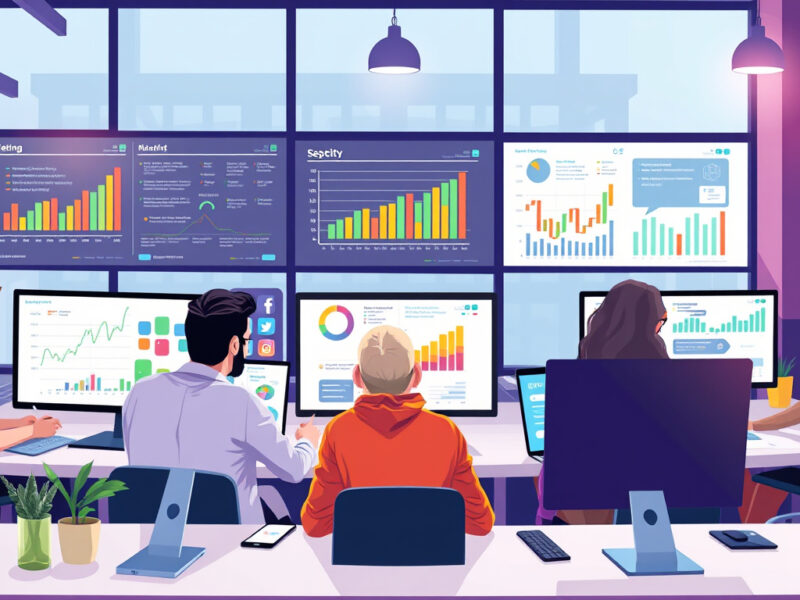
In the evolving landscape of digital marketing, creativity stands as a critical component for business growth and engagement. As we delve into the concept of generative engine optimization, it’s crucial to understand how techniques that amplify creativity can significantly impact your marketing strategies. This comprehensive guide will explore what generative engine optimization is, why it’s vital in today’s digital age, techniques for harnessing its potential, real-world case studies, and the challenges you might face along the way. Plus, we’ll take a bold look at future trends that will shape the way we think about creativity in generative technologies. Let’s unlock the future of creativity together!
 is a cutting-edge approach in digital marketing that focuses on enhancing the performance of AI-driven content creation tools. GEO aims to fine-tune the output of generative models, like those used by AI platforms, to better align with user intent and search algorithms. This process not only improves the quality of content produced but also ensures that it meets the specific needs of target audiences. By understanding how these AI engines operate, marketers can leverage them to create highly relevant and engaging content that resonates with users. This is especially important in an era where search engines are increasingly prioritizing context and relevance over keyword density. In this article, we will explore the key concepts behind generative engine optimization, its importance in digital marketing, and practical steps to implement it effectively.</p>
<h3>The Importance of Creativity in the Digital Age</h3>
<p>In the digital age, creativity plays a pivotal role in distinguishing brands and capturing consumer attention. With the rise of generative engine optimization, businesses are now harnessing the power of emerging technologies to create unique and personalized content at scale. This approach not only enhances user engagement but also meets the demands of modern search algorithms that favor originality and relevance. By blending creativity with technical strategies, companies can enhance their online presence, ensuring that their content not only ranks well but resonates with their target audience. In this way, generative engine optimization becomes a crucial tool for marketers aiming to stay ahead in an ever-evolving digital landscape.</p>
<blockquote><p>‘The greatest ideas are the simplest ones.’ – William Golding</p></blockquote>
<p><a href=)
Key Techniques for Optimizing Generative Engines
Generative engine optimization is a crucial aspect of enhancing the performance and utility of generative AI systems. To effectively optimize these engines, first, focus on aligning your training data with the specific needs of your target audience. This involves curating datasets that reflect the linguistic nuances and contextual relevance to the intended applications, ensuring that the generative model learns effectively from high-quality inputs. Second, regularly fine-tune your models with emerging data, which allows the system to adapt to changing trends and preferences. Additionally, consider leveraging feedback loops where user interactions with the generated content are analyzed to improve future outputs. This iterative approach not only enhances the accuracy of the model but also fosters continuous learning, ultimately leading to better generative performance. Lastly, implement robust evaluation metrics to assess the quality of generated content, helping identify areas for improvement and ensuring the engine remains competitive.
Case Studies: Successful Applications of Generative Engine Optimization
Generative Engine Optimization (GEO) has proven to be a game-changer for various businesses looking to enhance their marketing strategies through innovative approaches. For instance, a local bakery implemented GEO by using an AI-based tool to create personalized marketing messages based on customer preferences and purchase histories. As a result, they achieved a 30% increase in customer engagement and sales during local events. Likewise, an eCommerce fashion retailer utilized GEO to generate unique and targeted product descriptions that improved their search engine rankings and boosted conversions by 25%. These case studies highlight how effectively businesses can harness the power of generative engine optimization to tailor content and improve user experience, making it a crucial component of their digital marketing strategies.

Challenges and Limitations in Generative Engine Optimization
Generative engine optimization (GEO) has transformed the landscape of digital marketing, but it is not without its challenges and limitations. One significant obstacle is the reliance on high-quality datasets; without diverse and representative data, the models may produce biased or irrelevant outputs. Furthermore, the adaptability of GEO to rapidly changing trends poses a challenge, as it requires continual training and fine-tuning to stay effective. Another limitation is the interpretability of AI-generated content, as understanding the rationale behind certain recommendations can be difficult for marketers. Additionally, businesses may face barriers related to technical expertise, as implementing these advanced solutions often demands a level of knowledge that small businesses or startups may lack. Finally, ethical considerations, such as content originality and potential copyright issues, can create hesitance in fully adopting generative technologies. Addressing these challenges is crucial to leveraging the full potential of generative engine optimization in a compliant and effective manner.
The Future of Creativity: Trends in Generative Technologies
Generative engine optimization (GEO) is transforming how businesses approach creativity and innovation. As generative AI continues to evolve, it leverages algorithms capable of producing content, images, and even music, streamlining creative processes for marketers and creators alike. This trend allows companies to produce tailored content at scale, addressing the growing demand for personalized experiences. Furthermore, GEO not only enhances productivity but also fosters creativity by providing fresh ideas and iterations that human creators might overlook. As we look towards the future, understanding and integrating generative engine optimization into marketing strategies will be crucial for organizations seeking to stay competitive in an increasingly digital landscape.
Frequently Asked Questions
What is generative engine optimization?
Generative engine optimization refers to the process of enhancing the performance and effectiveness of generative engines—AI systems that can create content, art, or designs. This involves techniques and strategies that improve creativity, efficiency, and the relevance of generated outputs.
Why is creativity important in the digital age?
Creativity plays a crucial role in the digital age as it drives innovation, distinguishes brands in a crowded market, and enhances user engagement. It enables businesses to provide unique solutions and content that resonate with their audiences.
What are some key techniques for optimizing generative engines?
Key techniques for optimizing generative engines include fine-tuning algorithms, incorporating user feedback, using diverse training data, and leveraging AI model management practices. These methods can significantly boost both the quality and relevance of generated content.
Can you provide examples of successful applications of generative engine optimization?
Yes, successful applications include companies utilizing generative engines for personalized marketing campaigns, creating unique artwork and designs, and enhancing product recommendations through tailored AI-generated suggestions that significantly improve user experience.
What are the challenges and limitations of generative engine optimization?
Challenges include managing biases in datasets, ensuring the authenticity of generated content, balancing creativity with quality, and addressing the ethical implications of AI-generated works. Additionally, the rapid evolution of technology means staying updated with best practices can be challenging.