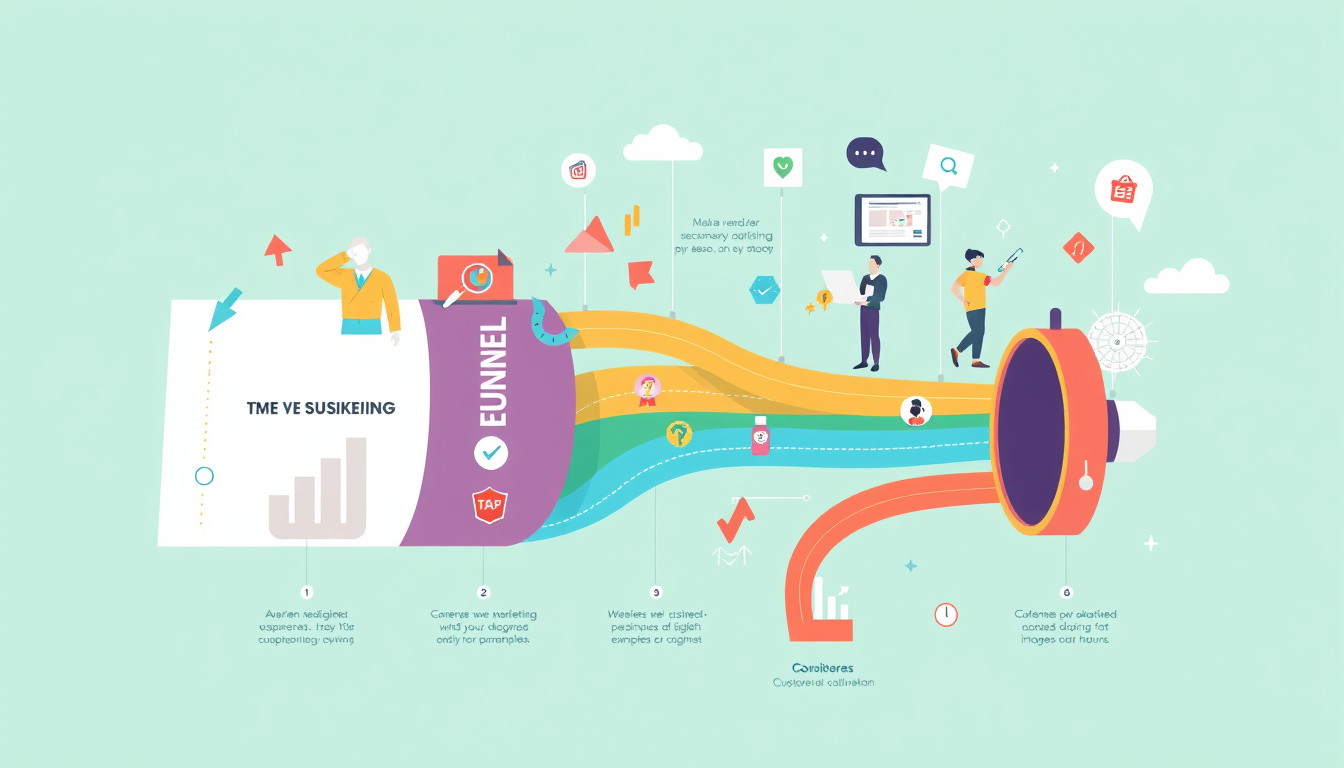
Are you struggling to understand how to effectively guide your customers from awareness to conversion? If so, mastering the marketing pipeline funnel could be the game changer you need. This article will delve into the marketing pipeline funnel, a crucial concept that encapsulates the customer journey and outlines each stage of engagement. We’ll explore how to identify your target audience, strategies to nurture leads through the funnel, and the key metrics that will help you measure success. Additionally, we’ll share optimization strategies to improve your conversions and enhance your overall marketing effectiveness.


Identifying Your Target Audience
To effectively implement a marketing pipeline funnel, it’s crucial to start with a clear understanding of your target audience. Identifying who your ideal customers are allows you to tailor your marketing strategies to meet their specific needs and preferences. Begin by segmenting your audience based on demographics, interests, and behaviors. Utilize surveys, social media insights, and market research to gather data on potential customers. This information will help you create detailed buyer personas, which represent the characteristics of your target audience. Knowing your audience empowers you to craft targeted messaging and content, guiding them through each stage of your marketing pipeline funnel—from awareness to conversion—ensuring a more efficient and effective marketing strategy.
Strategies to Nurture Leads Through the Funnel
In today’s competitive landscape, understanding the marketing pipeline funnel is critical for nurturing leads effectively. This funnel represents the journey potential customers take from awareness to conversion. Here are some key strategies to help you nurture leads through each stage of this pipeline. First, create targeted content that addresses the specific needs and pain points of your audience at each stage, ensuring they receive the right information at the right time. Second, employ email marketing campaigns to maintain engagement; personalized messages can significantly increase your lead conversion rates. Third, utilize social media platforms for timely interactions and community building; this can boost brand loyalty and awareness. Fourth, consider implementing marketing automation tools to streamline communications and provide insightful analytics on lead behaviors. Lastly, consistently measure and optimize your efforts by gathering data on what resonates with your audience, allowing you to refine your approach and maximize your success. By adopting these strategies, you can efficiently guide leads through the marketing pipeline funnel, ultimately leading to higher conversion rates and growth for your business.

Measuring Success: Key Metrics to Monitor
Measuring success in your marketing endeavors requires a keen understanding of the marketing pipeline funnel. This funnel visualizes the customer’s journey from initial awareness to final purchase, allowing businesses to pinpoint where prospects drop off or convert. Key metrics to monitor within this funnel include conversion rates at each stage, the average time a lead spends in the funnel, customer acquisition cost, and lifetime value of customers. Tracking these metrics provides valuable insights, enabling you to optimize your strategies, improve your lead nurturing processes, and ultimately enhance overall marketing effectiveness. By focusing on the marketing pipeline funnel, you can make data-driven decisions that drive growth and increase return on investment.
Optimizing Your Funnel for Better Conversions
Optimizing your marketing pipeline funnel is crucial for converting potential customers into loyal clients. A well-structured funnel guides prospects through their journey, addressing their needs at each stage—from awareness to decision-making. To begin, map out your customer journey and identify the touchpoints where you engage with prospects. Utilize compelling content tailored for each stage, whether it’s informative blog posts for awareness or detailed product demos for decision-making. Track key metrics, such as drop-off rates at each funnel stage, to identify weaknesses. Implement A/B testing to refine messaging and offers, and leverage marketing automation tools to nurture leads effectively. By continuously analyzing and optimizing your pipeline funnel, you enhance the likelihood of converting leads into sales, ultimately boosting your ROI.
Frequently Asked Questions
What is a marketing pipeline funnel?
A marketing pipeline funnel is a visual representation of the customer journey, illustrating the stages that potential customers go through from awareness to purchase. It helps marketers understand how to guide leads effectively.
What are the key stages of the marketing pipeline funnel?
The key stages of the marketing pipeline funnel typically include awareness, interest, consideration, intent, evaluation, and purchase. Each stage requires different strategies to effectively nurture leads.
How can I identify my target audience for the marketing pipeline funnel?
To identify your target audience, conduct market research to understand demographics, interests, and pain points. Tools like customer personas and surveys can help you gain insights into who your ideal customers are.
What strategies can help nurture leads through the marketing pipeline funnel?
Effective strategies include content marketing, personalized email campaigns, social media engagement, webinars, and targeted ads. Providing valuable content at each stage can keep potential customers engaged and move them closer to a purchase.
How do I measure the success of my marketing pipeline funnel?
Success can be measured through key metrics such as conversion rates, lead acquisition costs, customer lifetime value, and return on investment (ROI). Regularly monitoring these metrics helps optimize your funnel for better performance.