In today’s fast-paced digital landscape, crafting an effective paid media strategy is essential for businesses looking to maximize their return on investment (ROI). As a small business owner or marketing manager, you may find it challenging to navigate the various components of paid media and understand how to achieve the best results. In this article, we will delve into a comprehensive approach to developing a paid media strategy that not only aligns with your business goals but also engages your target audience effectively. We will cover key definitions, help you set clear objectives, identify your target audience, choose the right platforms, measure success, and discuss the importance of continuous improvement. By the end of this guide, you’ll be equipped with the knowledge to unlock your paid media success.

Key Takeaways
- Paid media involves utilizing paid channels to promote your brand and drive traffic.
- Setting clear objectives is crucial for aligning your paid media strategy with business goals.
- Identifying and segmenting your target audience enhances the effectiveness of your campaigns.
- Choosing the right platforms ensures optimal resource allocation for better engagement.
- Regularly measuring success and iterating on strategies helps maximize return on investment.
Understanding Paid Media: Definitions and Key Components
A paid media strategy refers to a comprehensive plan designed to promote a brand, product, or service through various paid advertising channels. Understanding paid media begins with recognizing its key components, which include different formats such as display ads, social media advertisements, search engine marketing, and sponsored content. These components are strategically chosen based on the target audience’s behavior and preferences, ensuring the marketing message reaches the right people effectively. Paid media serves as a crucial element in a broader digital marketing ecosystem, often working alongside owned and earned media to enhance brand visibility and engagement. By investing in paid media, businesses can achieve faster results, increase their reach, and drive qualified traffic to their websites, ultimately leading to higher conversion rates.
Setting Clear Objectives for Your Paid Media Strategy
When developing a successful paid media strategy, setting clear objectives is paramount. This begins by defining what you want to achieve with your campaigns—whether it’s increased brand awareness, lead generation, or sales conversions. By outlining specific, measurable, achievable, relevant, and time-bound (SMART) goals, you create a focused pathway for your advertising efforts. For instance, instead of aiming to ‘increase website traffic,’ a clearer objective might be to ‘boost website traffic by 25% over the next three months through targeted Facebook ads.’ This clarity not only helps in crafting the right messages but also enables you to track progress and adapt your tactics as needed.
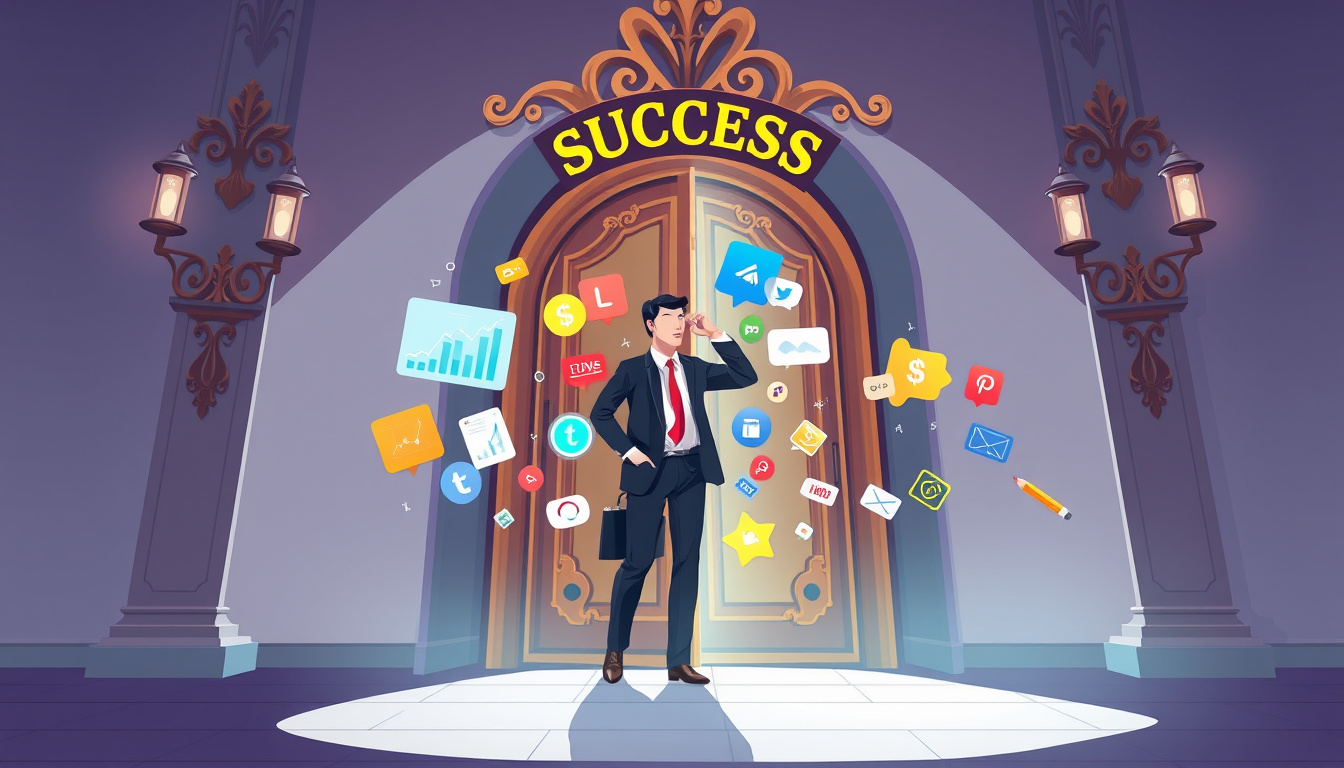
‘Success is where preparation and opportunity meet.’ – Bobby Unser

Target Audience: Identifying and Segmenting for Better Reach
When developing a paid media strategy, identifying and segmenting your target audience is crucial. Start by defining the broad demographics that align with your business—age, location, gender, and income level—and then narrow it down to specific psychographics such as interests, behaviors, and purchasing motivations. Utilizing tools like Google Analytics and social media insights can aid in gathering data about your potential customers. Once you have a clear picture, create audience segments that represent different needs and preferences. This segmentation allows you to tailor your messaging and ad placements, ensuring more effective communication and ultimately driving better results from your campaigns. By honing in on the segments that are most likely to convert, you can allocate your budget more efficiently, reducing spend on audiences that may not be as responsive.
Choose the Right Platforms: Where to Invest Your Resources
When developing a paid media strategy, choosing the right platforms is crucial to maximize your return on investment. Begin by identifying your target audience and understanding where they spend their time online. Platforms such as Google Ads and social media channels like Facebook, Instagram, and LinkedIn offer distinct advantages based on their user demographics and advertising capabilities. Focus your resources on platforms that resonate with your audience’s behaviors and preferences. For instance, if you’re targeting younger consumers, Instagram may prove more effective, while LinkedIn would be ideal for B2B marketing. Always analyze the performance metrics and be prepared to adjust your focus based on ongoing results to ensure your paid media strategy evolves with your goals.

Measuring Success: KPIs and Tools to Optimize ROI
Measuring success in your paid media strategy is crucial for optimizing ROI. Key Performance Indicators (KPIs) help you gauge the effectiveness of your campaigns. Common KPIs include Click Through Rate (CTR), Cost Per Click (CPC), Conversion Rate, and Return on Ad Spend (ROAS). Utilizing tools such as Google Analytics and Facebook Ads Manager enables you to track these metrics and make data-driven decisions. By regularly reviewing these KPIs, you can identify what’s working in your paid media strategy, allowing you to allocate your budget more effectively and maximize your return on investment. Furthermore, A/B testing different ad formats or targeting parameters can provide insights about audience preferences, enhancing the overall success of your campaigns.
Iterating and Adapting: Continuous Improvement in Paid Media Campaigns
In the ever-evolving landscape of digital advertising, a robust paid media strategy is essential for achieving sustained success. Continuous improvement is not just a trend; it’s a necessity for optimizing the performance of your campaigns. By rigorously analyzing campaign data, you can identify what works and what doesn’t, allowing for iterative enhancements. Start by setting clear objectives and measurable KPIs that align with your overall business goals. As data begins to flow in, utilize A/B testing to assess variations in ad creative, targeting, and bidding strategies. This approach not only fine-tunes your campaigns but also ensures you remain agile in response to market changes. Additionally, regularly soliciting feedback from audiences can uncover new insights that drive engagement and conversions. Remember, the goal is to adapt your paid media strategy based on real-time performance metrics, helping your brand stay competitive and relevant in a bustling market.
Frequently Asked Questions
What is a paid media strategy?
A paid media strategy is a plan that outlines how a business allocates its budget toward advertising on various paid channels to achieve marketing goals, improve brand visibility, and maximize return on investment (ROI).
Why is it important to set clear objectives for a paid media strategy?
Setting clear objectives is crucial because it helps align the paid media efforts with overall business goals, provides a benchmark for measuring success, and directs the focus of resource allocation and campaign design.
How can I identify and segment my target audience for a paid media strategy?
You can identify and segment your target audience by conducting market research, analyzing customer demographics, behaviors, and preferences, and utilizing tools such as surveys, social media analytics, and customer personas.
What are some key performance indicators (KPIs) to measure the success of my paid media campaigns?
Key performance indicators (KPIs) to consider include click-through rate (CTR), conversion rate, cost per acquisition (CPA), return on ad spend (ROAS), and customer lifetime value (CLV).
How often should I iterate and adapt my paid media campaigns?
It is advisable to consistently review and analyze the performance data and make necessary adjustments at least once a month. However, some campaigns might require more frequent iterations based on real-time performance metrics.